
Turning Achievement into Impact
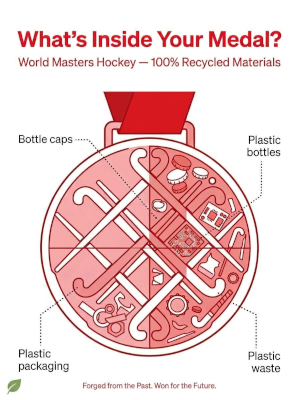
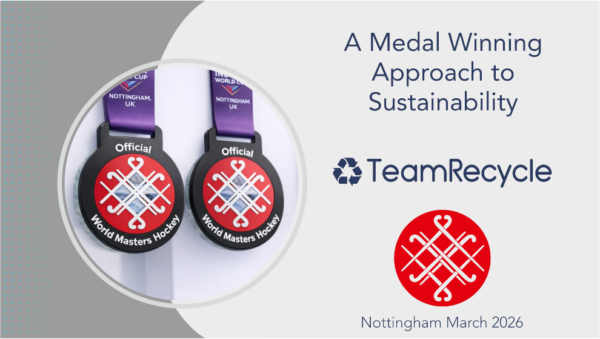
World Masters Hockey (WMH) is proud to announce that medals awarded at the 2026 WMH World Cup will be produced using recycled materials, reinforcing the organisation’s commitment to sustainability, community impact, and responsible event delivery.
With the 2026 World Cup set to be the largest Masters Hockey event in history, WMH made a conscious decision to rethink how success is recognised, choosing an approach that reflects the values of the global Masters Hockey community while reducing environmental impact.
From Everyday Plastic to Symbols of Achievement
The recycled medals are produced by Team Recycle, a UK-based social enterprise specialising
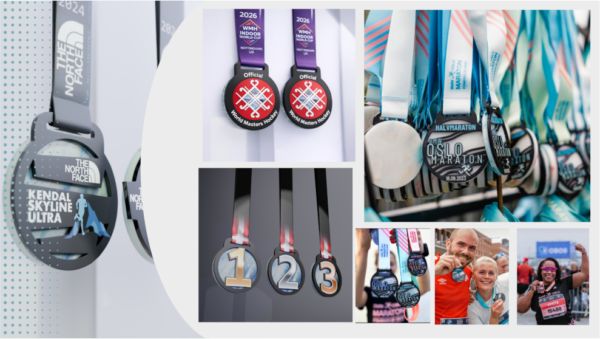
in transforming waste plastics into meaningful, high-quality awards. Using recycled HDPE plastics, commonly found in household items such as milk bottles and cleaning containers, the medals give discarded materials a second life as lasting symbols of sporting achievement.
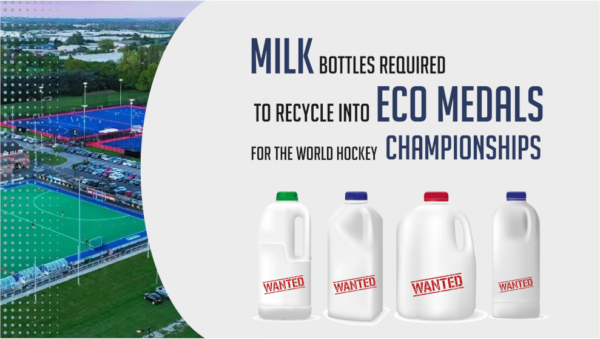
Rather than relying on newly manufactured materials, the process repurposes plastics collected from homes, schools, and community recycling initiatives, reducing waste sent to landfill and lowering the overall carbon footprint of medal production.
Each medal tells two stories: one of sporting excellence on the field, and another of collective
responsibility off it.
Sustainability Without Compromise
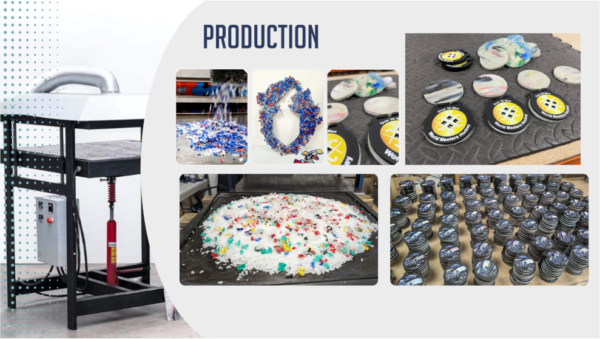
The medals combine durability, design, and purpose. Recycled HDPE forms the core medal
structure, while personalised acrylic detailing and RPET ribbons made from recycled plastic bottles complete the final product. Any waste generated during production is reprocessed and
reused, supporting a circular manufacturing model.
Importantly, this approach allows WMH to deliver medals that meet the expectations of a world-class international event, without compromising on quality, longevity, or presentation.
A Community-Centred Approach
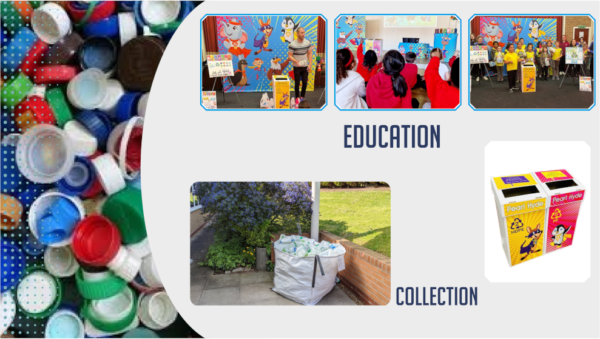
Beyond the environmental benefits, the recycled medal programme actively supports
community engagement and education. Schools, local authorities, and recycling partners
play a direct role in the materials journey, helping younger generations understand how
everyday actions, like recycling, can contribute to something meaningful on a global stage.
For WMH, sustainability is not a slogan. It is a practical decision that aligns with the organisation’s mission to promote hockey as a lifelong sport while acting responsibly as a global governing body.
A Deliberate Choice for the Future
As participation in Masters Hockey continues to grow worldwide, WMH recognises its
responsibility to deliver events that reflect modern expectations in terms of environmental,
social, and ethical considerations.
“These medals represent more than podium finishes,” said WMH. “They symbolise
achievement, longevity, and a shared commitment to protecting the sport and the world it is
played in.”
By choosing recycled medals for 2026, WMH is taking a clear step toward more sustainable
event practices, proving that excellence in sport and responsibility to the planet can go hand in
hand.
“Every medal represents a victory — not just for the athlete, but for a more sustainable future.”